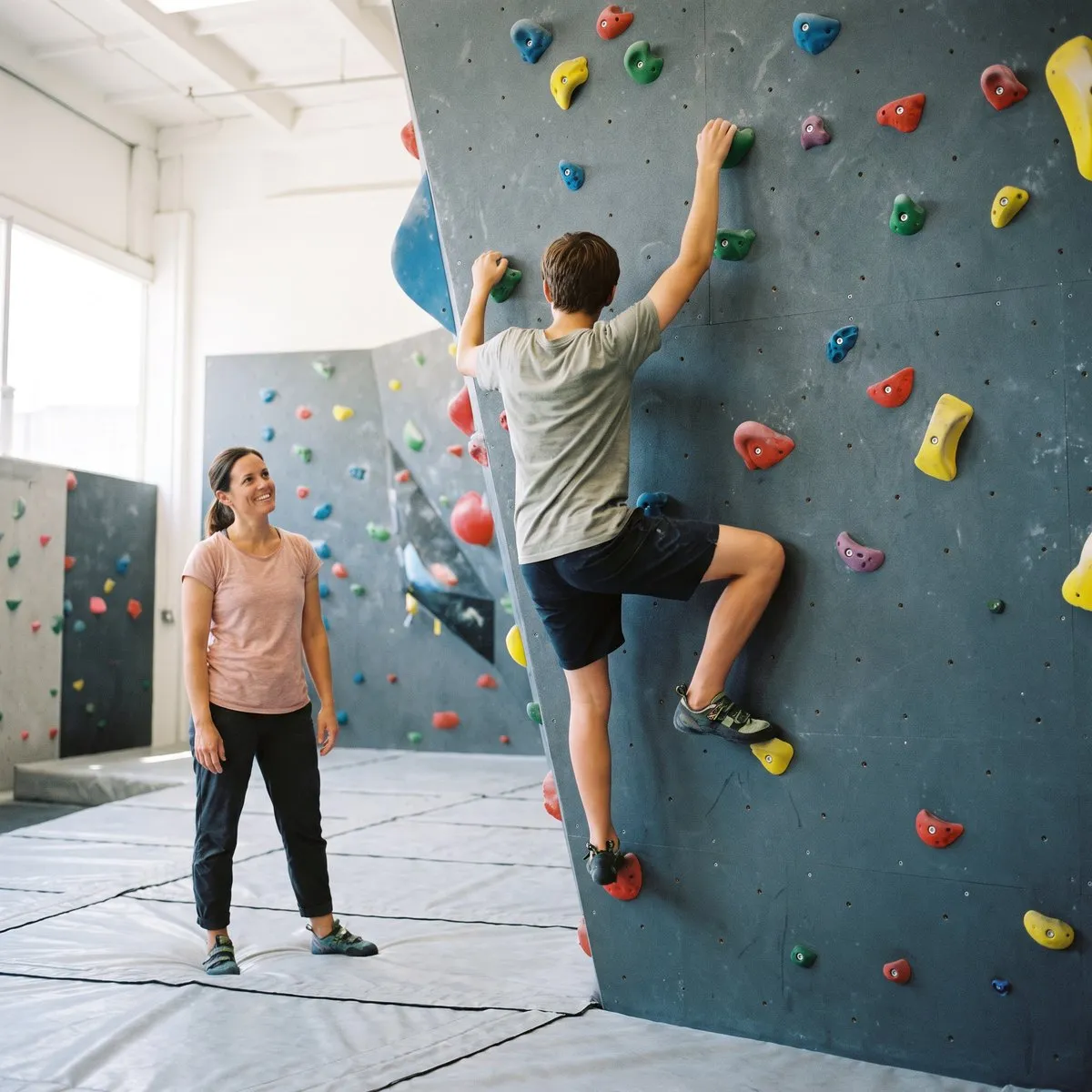
Climbing shoes are the one piece of kit that changes how the wall feels under your feet. For a first pair, the advice is simple: choose comfort over performance. A flat, comfortable shoe lets you climb for longer, and you will learn more in four hours of pain-free climbing than in one hour in shoes that hurt. Here is how to choose well.
Flat or downturned
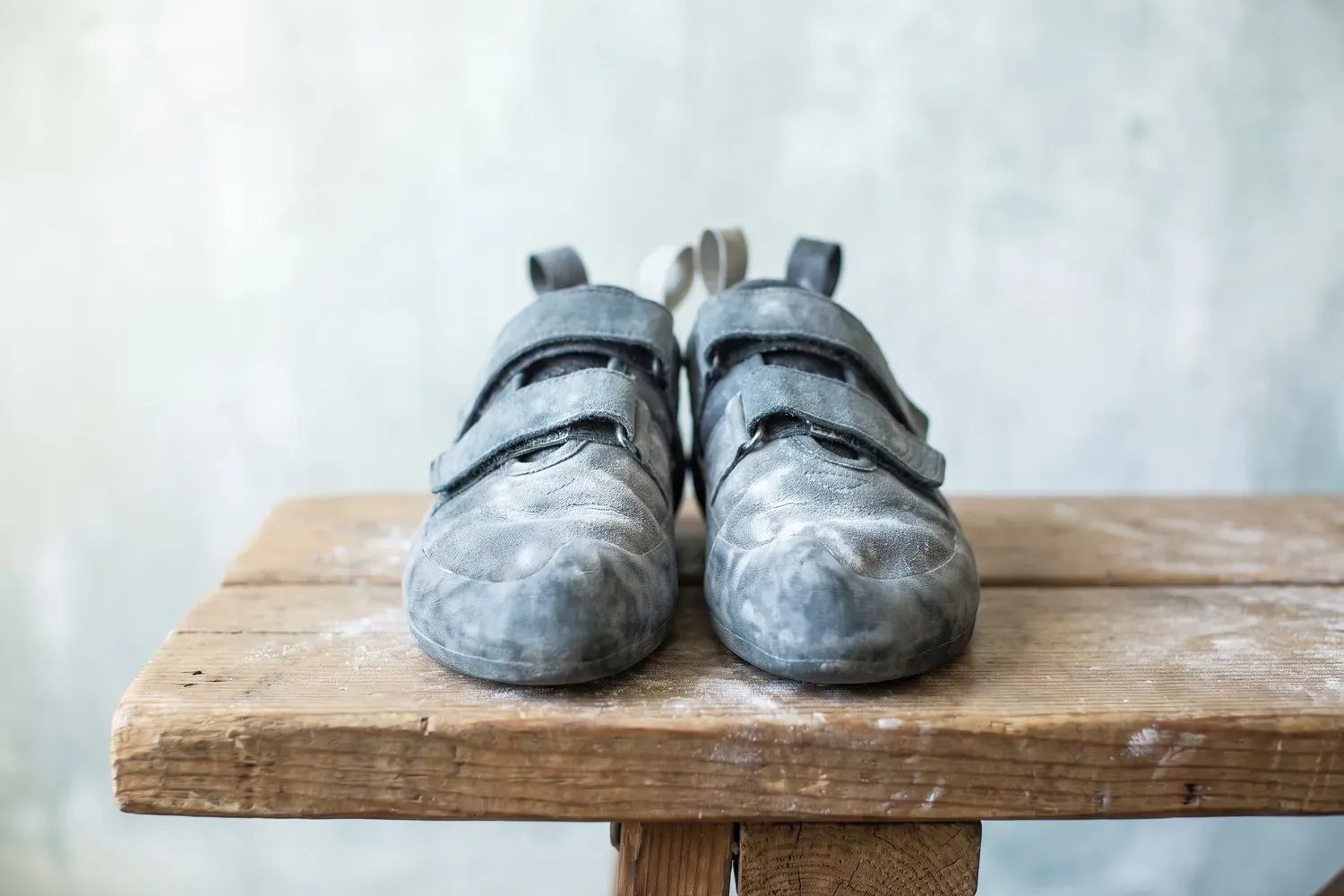
Climbing shoes come on a spectrum. A flat shoe keeps your foot in a natural position and suits long sessions and easier problems. A downturned shoe curls your toes and puts more power over small holds, which helps on steep walls but takes some getting used to. Almost everyone climbs their first year or two in a flat shoe. Our Crux First and Crux Ledge are both flat, comfortable designs, and the Crux Hook is a slightly downturned step up for when you want more.
Getting the fit right
A climbing shoe should be snug but not painful. Your toes should touch the front, with no room to slide, but they should not be curled up tight on a beginner shoe. Leather and synthetic uppers stretch a little over the first few sessions, so a shoe that feels slightly tight in the shop will settle. If your toes are numb or pinched, the shoe is too small, whatever anyone tells you.
The closure matters less than the fit. Hook-and-loop straps are quick to take on and off between problems, and laces let you adjust a snug fit across the foot. Both work well. Try both and see which you prefer on the wall.
Try before you buy
We keep every size of our range at the desk, so you can try a pair on during a session. Wear them for a problem or two before you decide, because a shoe can feel fine sitting down and very different once you stand on a small hold. If you are not ready to buy, hire shoes are £4 a session and good enough for a first year.
Rubber and resoling
The rubber on the sole is what grips the hold, and it wears thin with use. All our shoes use 4mm rubber, which is a good balance of grip and durability for indoor climbing. When the toe is worn through, resoling is cheaper than a new pair, and a good cobbler can give a favourite shoe a second life.
Look after the rubber by keeping your shoes off the ground where grit can stick to them. Grit on the sole is what wears climbing rubber down fastest, not the wall itself, so change into them on the mat and not in the car park.
A fitting checklist
Run through this before you settle on a pair:
- Toes touch the front without curling up tight.
- No room for your heel to slide when you stand on an edge.
- Comfortable standing and walking a few steps.
- Slightly tight rather than loose, since uppers give a little.
Take your time and try more than one model. A good shoe disappears on your feet and lets you think about the climbing instead. Ask at the desk if you want a hand, and we will get you onto something that suits the way you climb.