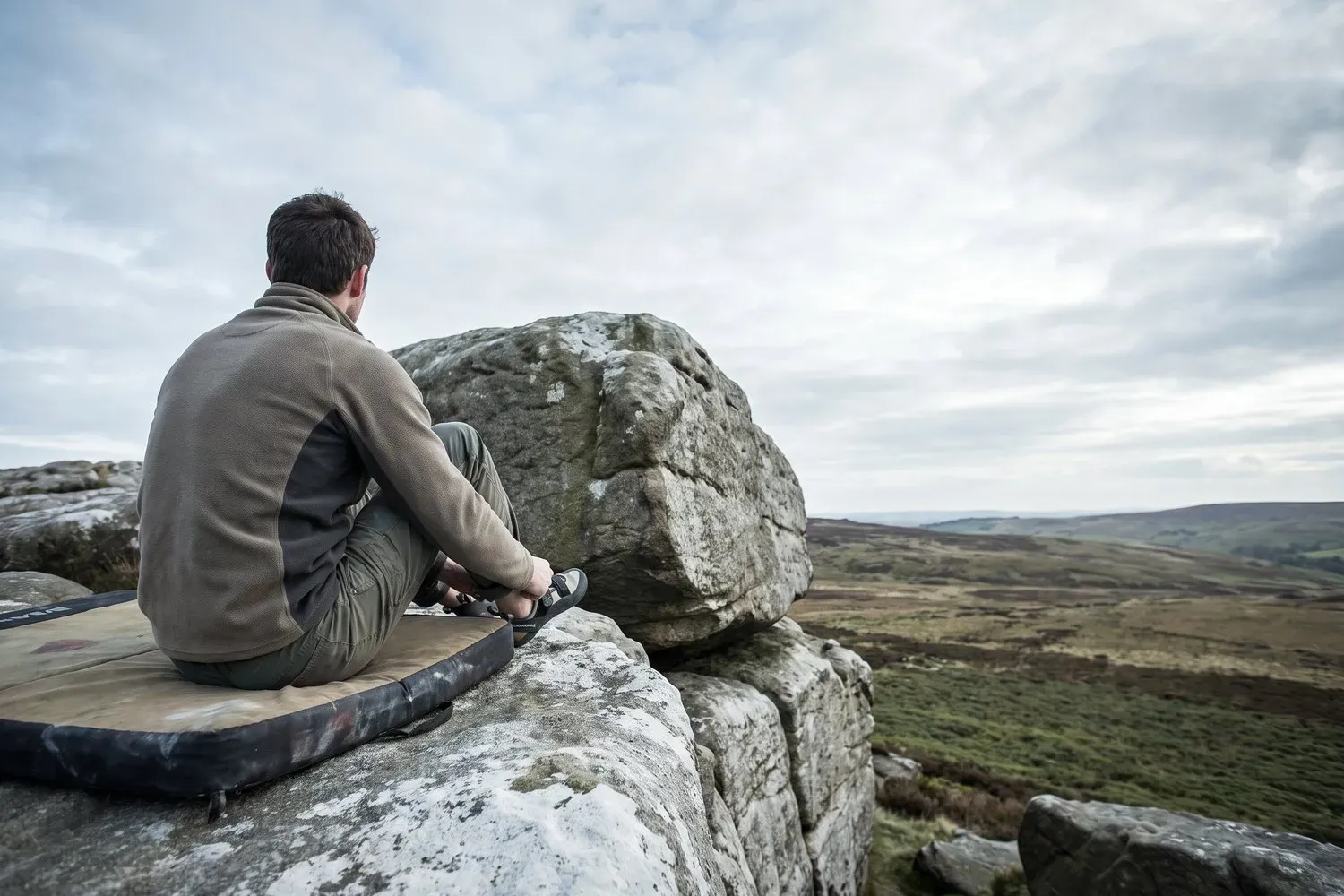
One of the best things about climbing in Sheffield is that the outdoors is close. Gritstone is about half an hour from the centre, and the edges around the city are some of the most famous bouldering in the country. Moving from the wall to real rock takes a little planning, but the skills carry across. Here is how to make a first day outside go well.
Start with the weather
Gritstone is best when it is cool and dry. Damp rock loses its friction and is easily damaged, so check the forecast and the conditions before you go. A dry, breezy day in spring or autumn is often ideal, and the rock can be surprisingly grippy when the air is cool. If it has rained heavily, leave it for another day. The rock will still be there.
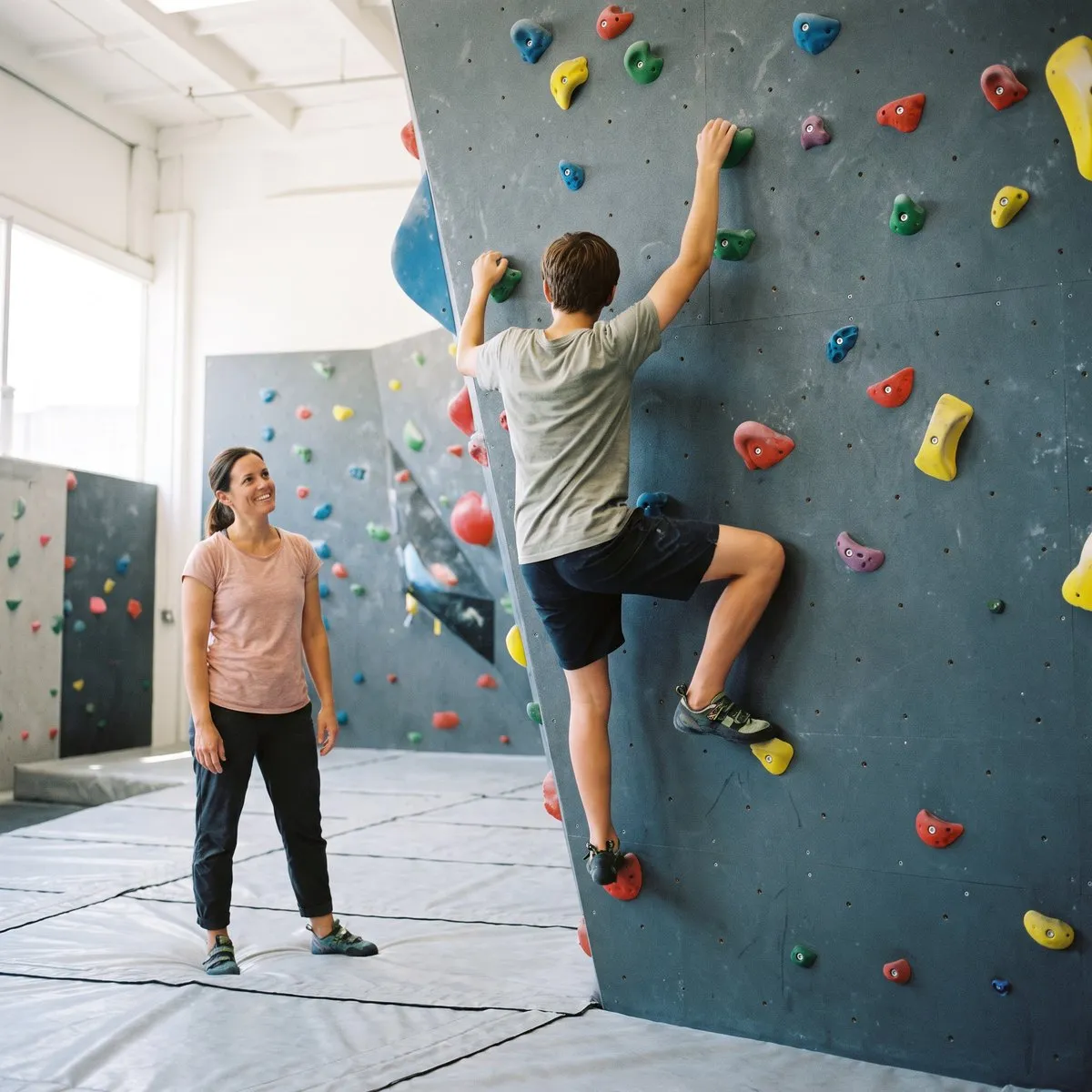
Be honest about your level before you choose a spot. Easy circuits and low boulders are the place to start, not the tall problems you have seen in films. Climbing outdoors is harder than the same colour indoors, so drop a level or two from what you climb on the wall.
Rock feels different
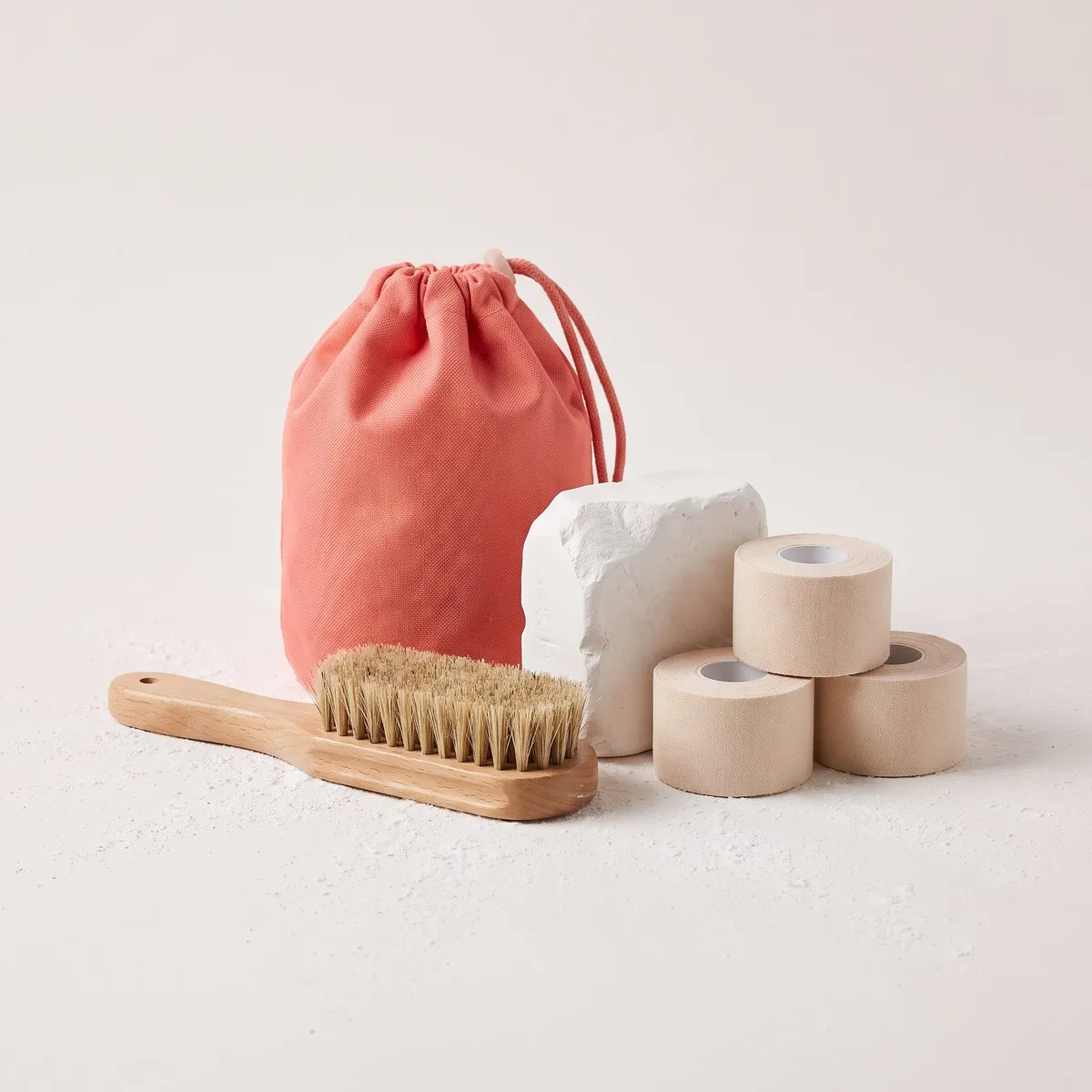
Even an easy boulder outdoors can feel harder than a whole circuit indoors. The holds are shaped by weather rather than a setter, the ground is not level and you have to find the line yourself. Take your time, read the rock and expect your hands to hurt a little more than usual at first. Chalk and a brush help, and so does patience.
The rock is also rougher on skin than plastic. Keep sessions short, stop before your tips are raw and build up over several trips rather than one long day.
Climbing with others
Gritstone edges are popular, so expect to share the boulders. Give other climbers space, do not walk under anyone and ask before you join a problem. A second pad and a spotter make harder moves safer, and it is good manners to offer the same for someone else.
What to take
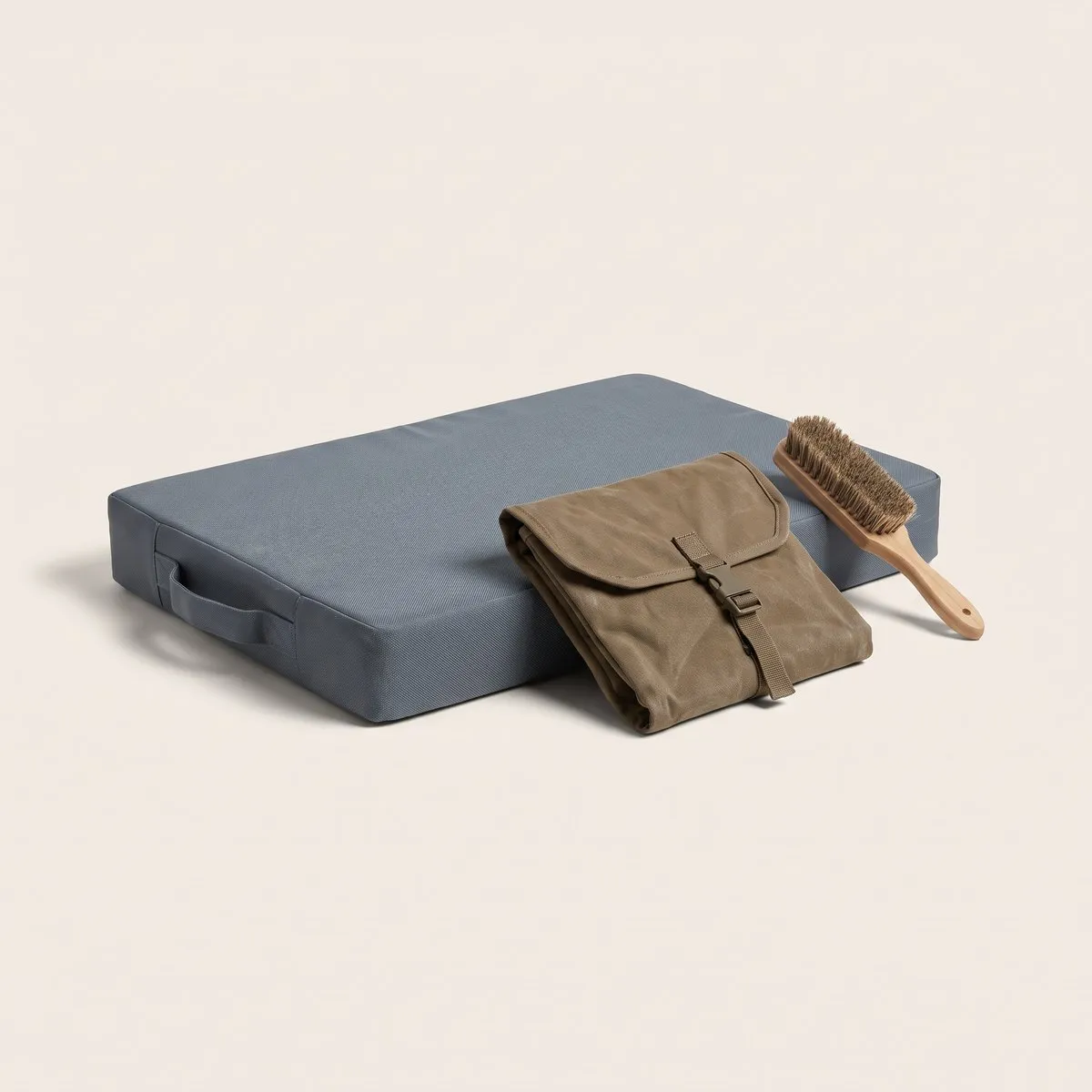
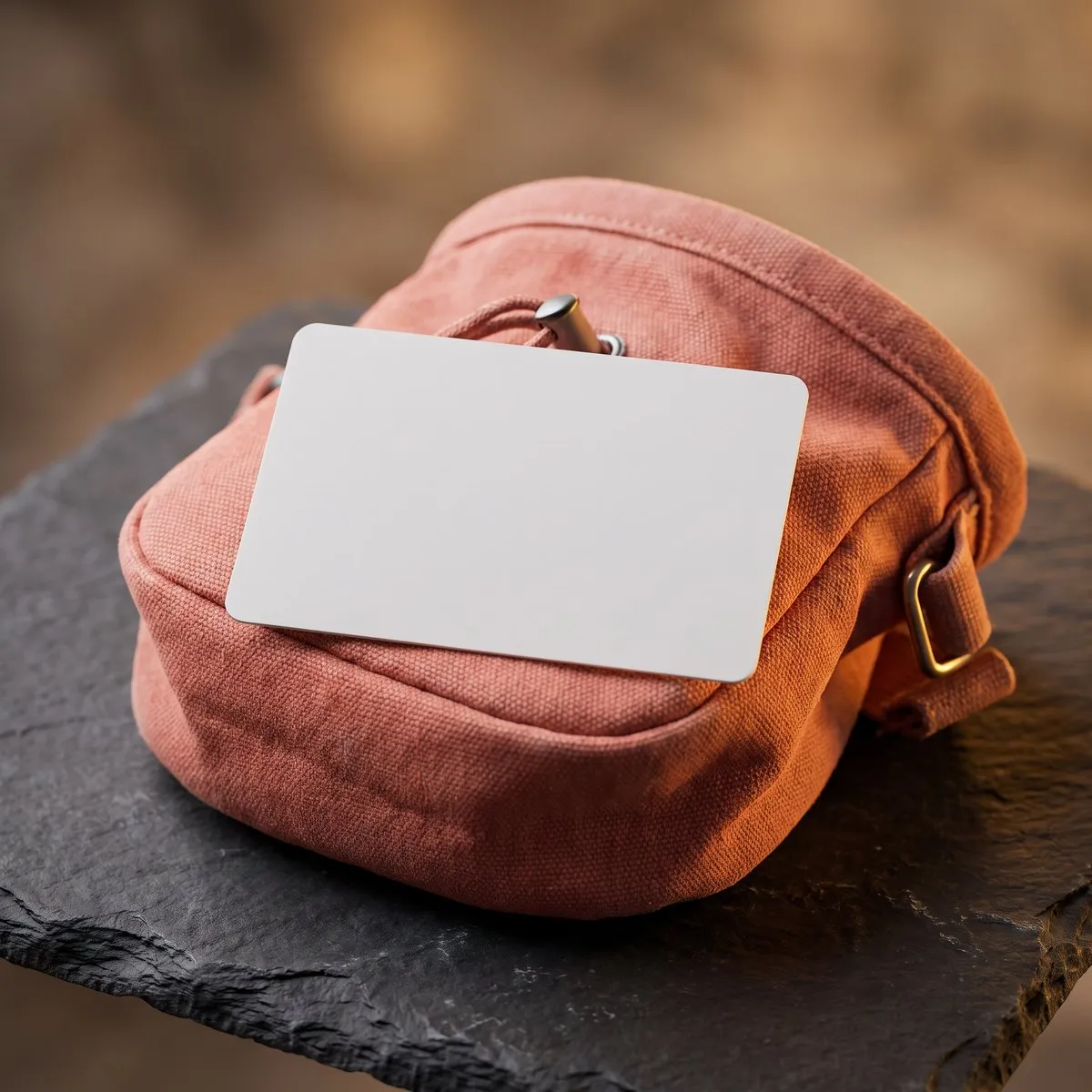
A crash pad turns a patch of uneven ground into a clean landing, and one pad is enough for low boulders. Our Gritstone kit groups a pad, a session bag and a brush, which is a good starting point. Take more layers than you think you need, because you will stand around a lot between attempts. A flask and some food make a big difference on a cold edge.
Looking after the rock
Gritstone is fragile and slow to recover. Brush off your chalk when you finish a problem, using a soft brush and only the holds you used. Do not chip or wire-brush the rock, and do not climb on wet holds or wet ground around the boulders. Take all your rubbish home, leave the paths as you found them and keep noise down for the people living nearby.
A day-out checklist
Before you set off, check that you have:
- Checked the forecast and that the rock is dry.
- Chosen boulders well within your indoor level.
- A crash pad, a brush and warm layers.
- Food, water and a way to carry everything out again.
Go with someone who has been outside before if you can, and keep the first trip short and low. The wall is where you build the strength; the crag is where you find out how much fun a real hold can be. Come and ask at the desk and we will point you at a good first venue.